Professional Tips for Homeowners: Find the Best Primer Paint for Your Interior Walls
Choosing the wrong primer for painting can ruin your walls before you even start. Many homeowners don’t realize that different surfaces need specific primers to hold paint properly and last longer. Knowing which drywall primer or spray paint primer fits your walls can save time and money. Let’s break down the best primer paint for interior walls so your next project looks flawless from the first coat.
Choosing the Right Primer
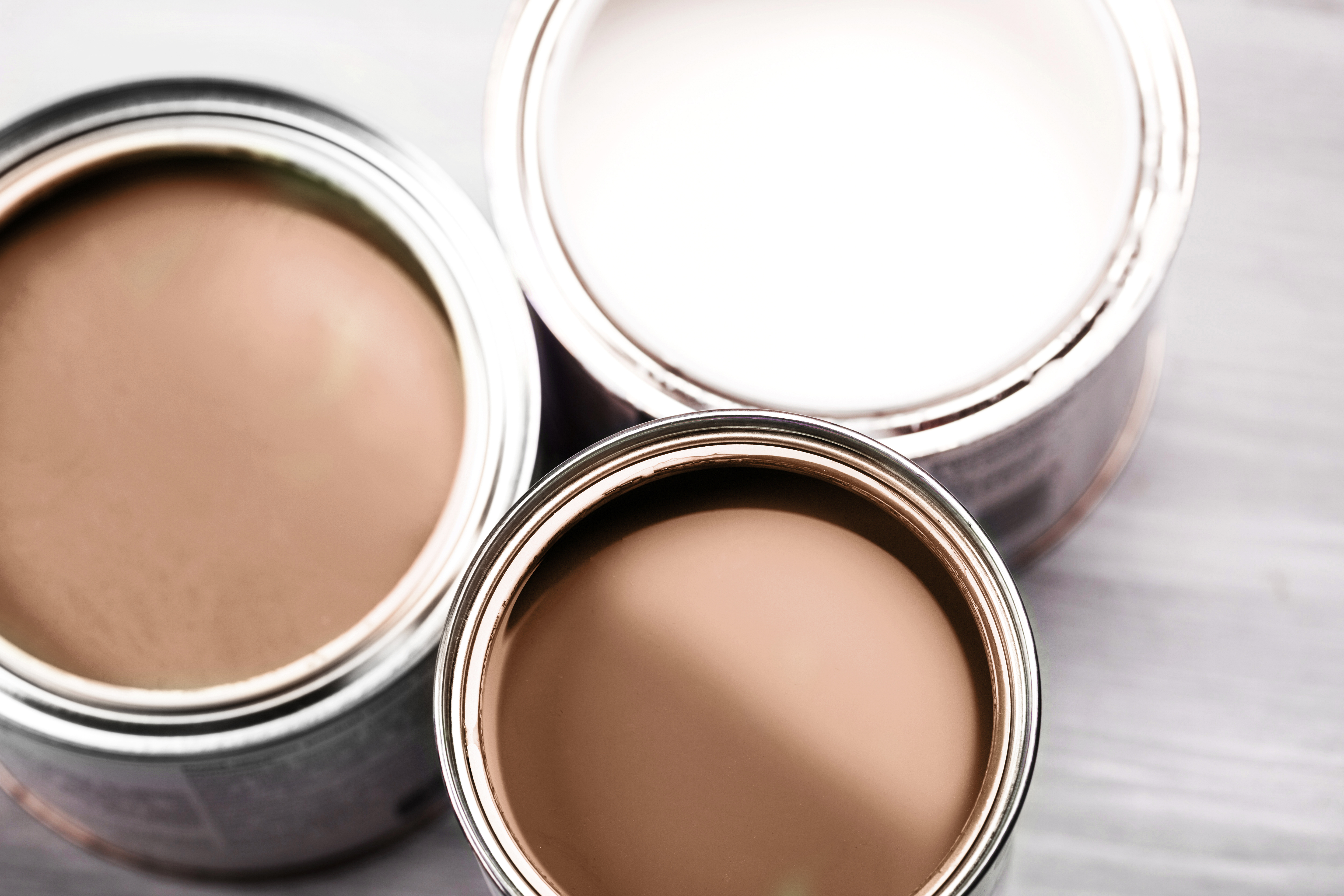
Picking the perfect primer is key to a long-lasting paint job. Your walls will thank you for taking this important first step.
Primer for Painting Walls
Not all primers are created equal. The right primer for painting walls depends on your specific surface and project goals.
For new drywall, a water-based primer seals porous surfaces and creates a smooth base. This helps your paint stick better and look more even.
On previously painted walls, check the current paint type. Use an oil-based primer if you’re covering oil-based paint with latex. For latex-to-latex, a quality latex primer works well.
Got stains or water damage? Stain-blocking primers are your best friend. They seal in marks so they don’t bleed through your new paint.
Benefits of Drywall Primer
Drywall primer is a game-changer for fresh walls. It’s not just an extra step – it’s your secret weapon for a flawless finish.
First, drywall primer seals the porous surface of new drywall. This means your paint won’t soak in unevenly, saving you money on extra coats.
Second, it creates a uniform surface. Drywall joints and patches become less noticeable, giving you a smooth canvas for painting.
Lastly, drywall primer boosts paint adhesion. Your color will stick better and last longer, reducing the need for touch-ups down the road.
Best Primer Paint for Interior Walls
Finding the best primer paint for interior walls can feel overwhelming. But don’t worry – we’ve got you covered with top picks for different needs.
For general use, look for a high-quality, all-purpose primer. These work well on most surfaces and provide good coverage.
If you’re painting over dark colors, try a high-hide primer. These have extra pigment to cover bold shades in fewer coats.
For kitchens and bathrooms, choose a primer with mold and mildew resistance. This extra protection keeps your walls looking fresh in damp areas.
Remember, the best primer is one that matches your specific project. Consider your wall type, existing paint, and desired finish when making your choice.