All About Drywall Primer: Your Trusted Guide to Flawless Interior Walls
Most people grab any primer for painting and hope for the best. That’s why walls look patchy or paint peels fast. Knowing which drywall primer or spray paint primer fits each surface changes everything. Let’s break down the best primer paint for interior walls so your next project nails a flawless finish.
Choosing the Right Primer
Picking the perfect primer is like finding the right foundation for your makeup. It sets the stage for everything that comes after. Let’s explore your options to ensure your walls look their absolute best.
Primer for Painting Walls
Wall primers come in different types, each designed for specific needs. Water-based primers work well for most interior walls. They dry fast and have low odor. Oil-based primers are great for covering stains or sealing porous surfaces.
For new drywall, look for a primer specially made to seal the surface. This helps the paint stick better and look smoother. If you’re painting over a dark color, a tinted primer can save you time and paint in the long run.
Remember, the right primer makes your paint job last longer. It helps prevent peeling and makes colors pop. Taking time to choose wisely pays off big time in the final look of your room.
Drywall Primer Options
New drywall needs special care before painting. A good drywall primer seals the surface and helps hide seams and patches. PVA (polyvinyl acetate) primer is a popular choice for fresh drywall. It’s cheap and does a great job sealing the surface.
For walls with lots of repairs, consider a high-build primer. This type fills in small imperfections, giving you a smoother canvas to paint on. If you’re dealing with water stains or smoke damage, look for a stain-blocking primer.
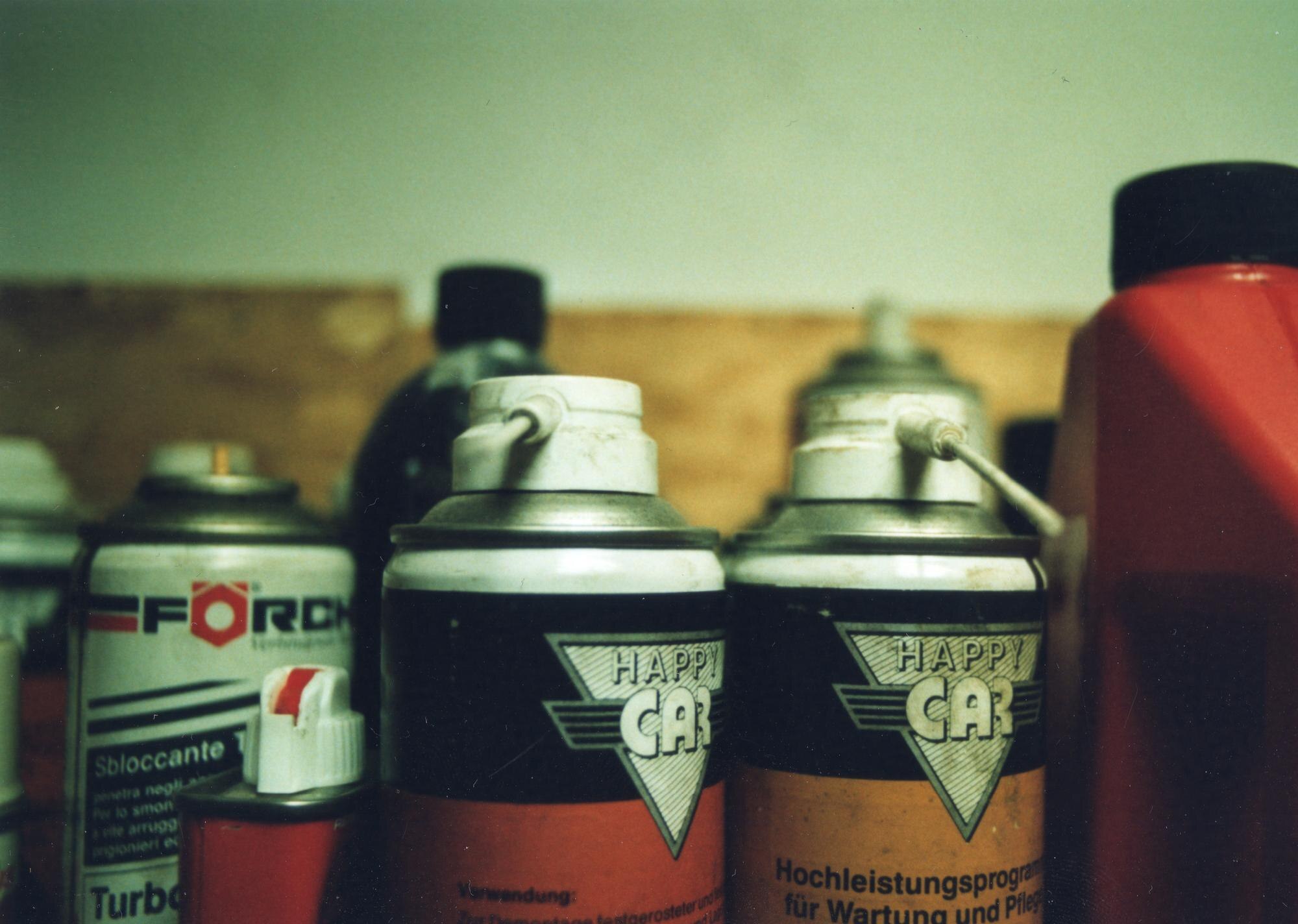
Spray paint primer can be a good option for large areas or textured walls. It gives even coverage and can save time on big jobs. Just make sure to protect floors and furniture from overspray.
Best Primer Paint for Interior Walls
The best primer for your walls depends on what you’re working with. For most interior jobs, a good all-purpose primer will do the trick. These work on both painted surfaces and bare drywall.
If you’re painting over glossy paint or slick surfaces, go for a bonding primer. This type sticks to tough surfaces, giving your new paint a solid base. For rooms with high humidity like bathrooms, pick a primer with mold and mildew resistance.
Don’t forget about VOCs (volatile organic compounds). If you’re sensitive to smells or worried about air quality, look for low-VOC or zero-VOC primers. These are better for your health and the environment.
Choosing the right primer might seem like extra work, but it’s worth it. Good primer means fewer coats of paint, a smoother finish, and walls that look great for years to come. Take your time, pick the right product, and enjoy the amazing results!