Your Trusted Guide## Expert Tips for Painting Trim
Painting
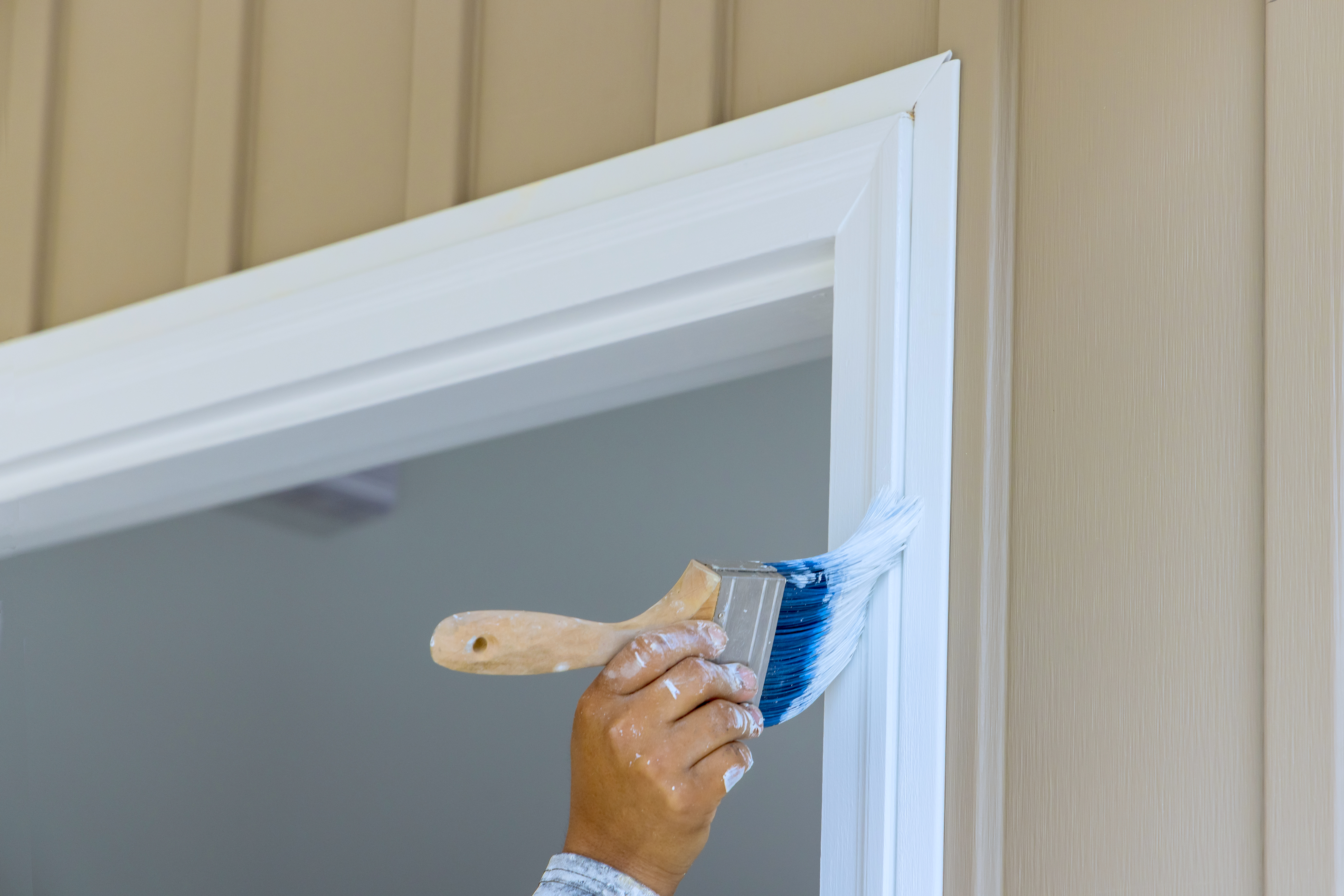
trim requires attention to detail and the right techniques. Let’s explore some expert tips to help you achieve a professional finish on your trim work.
Preparing Your Trim Surfaces
Proper preparation is key to a smooth and long-lasting paint job on your trim. Start by cleaning the surfaces thoroughly to remove any dust, dirt, or grease. Use a mild detergent solution and rinse well.
Next, inspect the trim for any damage or imperfections. Fill small holes or cracks with wood filler and sand smooth once dry. For larger repairs, you may need to use wood putty or even replace sections of trim.
Sand all surfaces lightly to create a smooth base for the paint to adhere to. Use fine-grit sandpaper and work in the direction of the wood grain. After sanding, wipe away all dust with a tack cloth.
Finally, apply painter’s tape to protect adjacent surfaces and ensure clean lines. Press the tape down firmly to prevent paint bleed-through.
Best Way to Paint Trim Efficiently
Efficiency in trim painting comes from using the right tools and techniques. Start by choosing high-quality brushes or rollers designed for trim work. These will help you apply paint smoothly and evenly.
When painting, work in sections and maintain a “wet edge” to avoid visible lap marks. This means overlapping your strokes slightly before the previous section dries.
-
Begin with a thin coat of primer if needed, especially on bare wood or when making drastic color changes.
-
Apply paint in thin, even coats. Multiple thin coats will give a better finish than one thick coat.
-
Sand lightly between coats for