From
Drab to Fab: How Exterior Residential Painting Can Revitalize Your Space
The Impact of Color Choice

The right paint color turns a house into a standout home. Colors affect not just appearances but also emotions and perceptions. Your choice can make your home feel bigger, more welcoming, or perfectly matched to its surroundings.
Understanding Color Psychology
Colors speak to our brains in surprising ways. Blue tones create calm and trust – perfect for coastal homes or spaces where you want to relax. Red accents grab attention and bring energy to entry doors or focal points.
Yellow brings warmth and cheer but can fade faster in direct sunlight. That’s why many homeowners choose softer butter tones that hold their brightness longer while still making a happy statement.
Green connects your home to nature and works beautifully in wooded settings. From sage to olive, these earth-friendly colors blend with landscapes while still making your home feel fresh and current.
Did you know that color choices can even affect your home’s temperature? Darker colors absorb heat while lighter shades reflect it – something to think about when planning your exterior residential painting project in sunny climates.
Popular Exterior Paint Colors
Neutral colors remain top choices for good reasons. Soft grays, warm beiges, and crisp whites create timeless looks that won’t need updating with every trend cycle. These safe bets also tend to appeal to more buyers if you plan to sell.
Blue-gray combinations have surged in popularity, offering a fresh take on traditional exteriors. These colors pair beautifully with white trim and natural wood accents for a clean, updated look.
For those seeking statement colors, deep navy, forest green, and charcoal make bold yet sophisticated choices. These darker shades work well on craftsman-style homes or as accent colors on architectural details.
Whites aren’t all created equal – there are hundreds of white paint options with subtle undertones. Warm whites with yellow or pink bases feel welcoming, while cooler whites with blue or gray undertones create modern, clean aesthetics.
Customizing for Your Style
Your home’s architecture offers clues about which colors will work best. Victorian homes shine with multi-color schemes that highlight decorative details, while mid-century modern homes look sharp with bold, simple color blocks.
Consider your neighborhood when choosing colors. While you want to stand out, you don’t want to clash with nearby homes. Take photos of houses you admire in your area for inspiration.
The fixed elements of your property matter too. Brick, stone, roof colors, and even your landscape should guide your paint choices. The best color schemes tie all these elements together.
Testing is crucial before committing. Paint large sample boards (at least 2×2 feet) with your potential colors and view them at different times of day. Colors change dramatically from morning to evening light, and what looks perfect on a tiny swatch might feel overwhelming on your entire house.
Benefits of Professional Painting
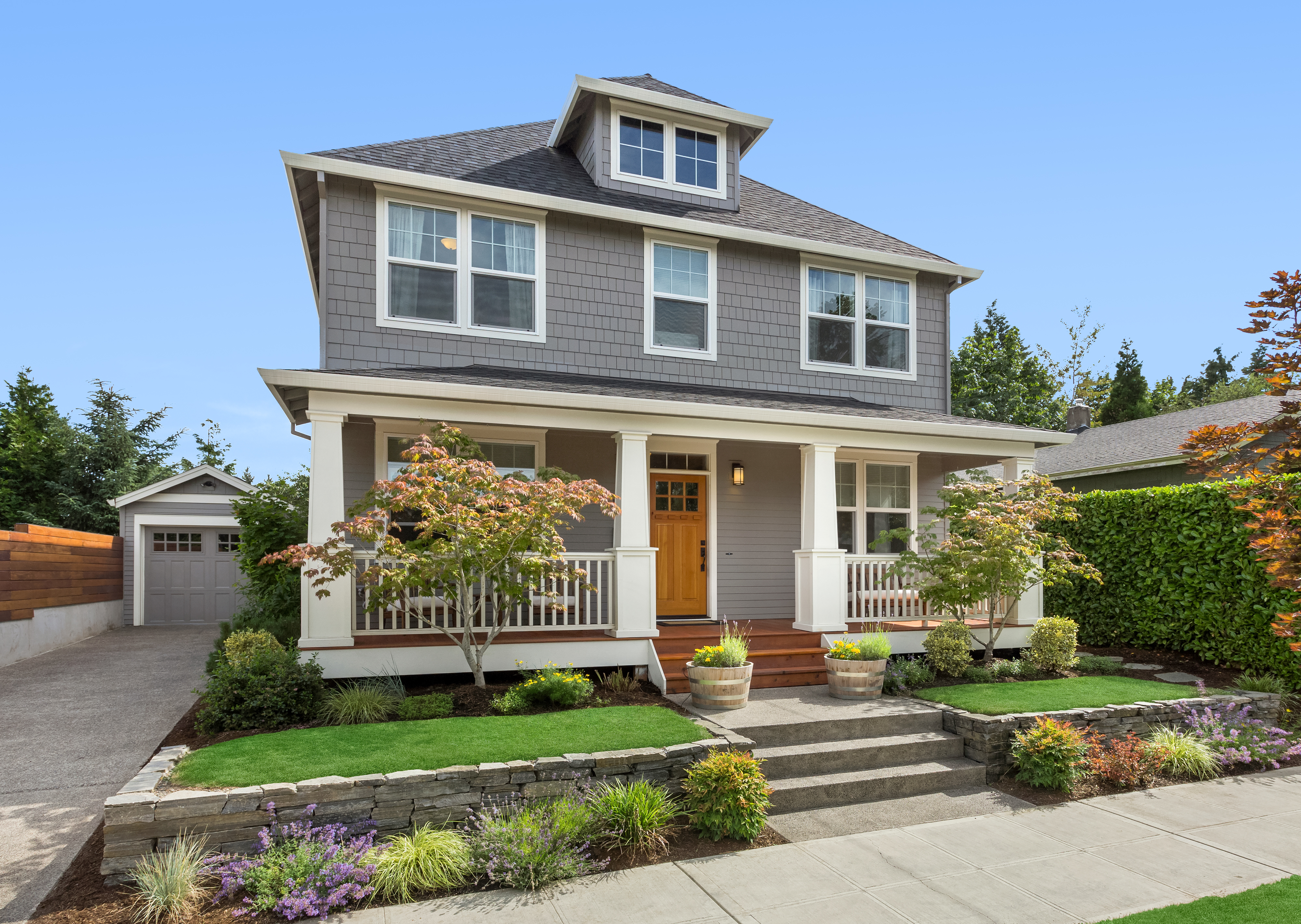
Fresh paint does more than just look pretty. A professional exterior residential painting job acts as your home’s shield against weather damage while boosting its overall value. The right team makes all the difference in results that last.
Quality and Durability
Professional painters use better materials that stand up to time and weather. Consumer-grade paints from big box stores can’t match the staying power of professional-grade products with higher resin content and better pigments.
The application method matters just as much as the paint itself. Pros know exactly how thick to apply each coat for maximum protection without runs or thin spots. They also understand how temperature and humidity affect drying times.
Most DIY paint jobs last 3-5 years, while professional exterior residential painting often lasts 7-10 years or longer. This longer lifespan makes professional work more cost-effective over time, despite the higher initial investment.
Paint failure shows up as bubbling, cracking, or peeling – all signs that moisture has gotten underneath the paint layer. Professionals prevent these issues through proper prep work that DIYers often rush through or skip entirely.
Safety and Compliance
Working at heights poses real dangers. Professional painters bring proper equipment like commercial-grade ladders, scaffolding, and safety harnesses that most homeowners don’t own or know how to use correctly.
Lead paint concerns affect homes built before 1978. Professional painters follow EPA guidelines for testing and safe removal, protecting your family from dangerous dust and debris during the preparation phase.
Local regulations may restrict certain colors or finishes, especially in historic districts or communities with homeowners associations. Professional painters stay updated on these rules to keep your project compliant.
Insurance coverage gives you peace of mind. Reputable painting companies carry both liability insurance and workers’ compensation, protecting you from potential lawsuits if someone gets hurt on your property during the painting process.
Expert Color Consultation
Professional color consultants understand how light affects color perception. They can predict how morning sun versus afternoon shade will change how your chosen colors look throughout the day.
They also bring knowledge of color trends that have staying power versus fads that will date quickly. This guidance helps you make choices you’ll still love years from now.
Color experts think about your entire property as a canvas. They consider everything from your roof and landscaping to neighboring properties when suggesting color combinations that feel cohesive.
The right consultant asks about your goals. Are you painting to sell? To update? To correct a problem? Each purpose might lead to different color recommendations based on what will best serve your needs.
Preparing Your Home for Painting
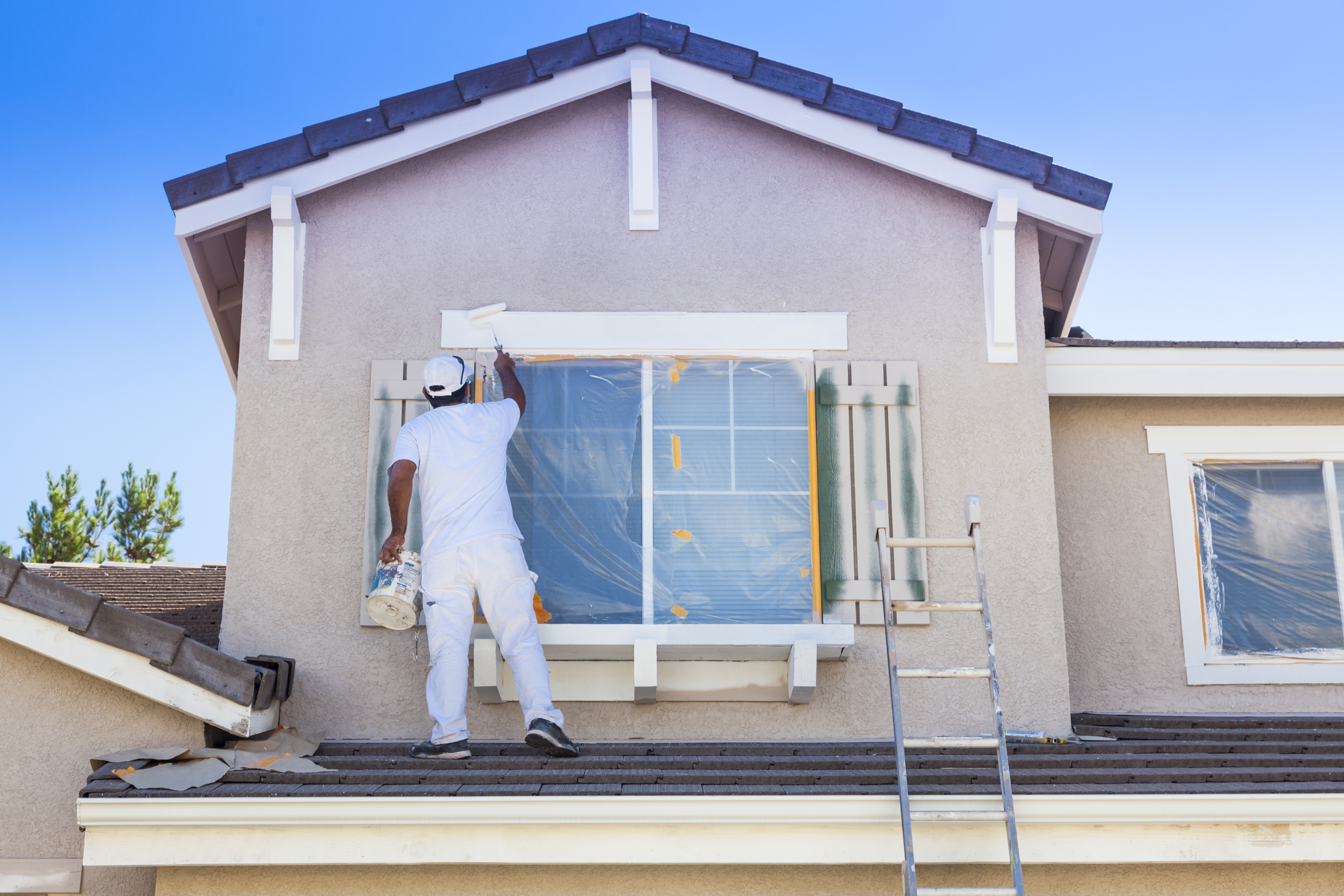
Before the first paintbrush touches your walls, proper preparation makes all the difference. This crucial stage determines whether your paint job lasts for years or fails within months. Good prep work is the foundation of every successful exterior residential painting project.
Surface Preparation Techniques
Pressure washing removes years of built-up dirt, mildew, and loose paint. Professionals use different pressure levels for various surfaces – high pressure can damage wood siding but works well on concrete foundations.
After cleaning comes scraping and sanding. Every loose paint chip must go before new paint goes on. Professionals hand-scrape problem areas, then sand edges to create smooth transitions between bare spots and existing paint.
Caulking fills gaps that would otherwise let moisture seep behind your paint. Pros inspect window frames, door frames, and where different materials meet to seal these vulnerable areas with the right type of caulk for each location.
Priming isn’t always necessary but makes a huge difference on bare wood, stained surfaces, or when making dramatic color changes. The right primer creates a uniform base that helps your topcoat stick better and look more even.
Choosing the Right Paint Type
Acrylic latex paints dominate the market for good reasons. They resist fading, clean up with water, and allow your home to “breathe” while still protecting against moisture. They work well on most siding types.
Oil-based paints offer superior hardness and moisture resistance but come with drawbacks. They yellow over time, release more fumes, and require special solvents for cleanup. They’re best for specific problem areas rather than entire houses.
Sheen choices affect both appearance and performance. Flat paints hide imperfections but collect dirt more easily. Semi-gloss and gloss finishes clean better but highlight every bump and dent in your siding.
Specialty paints solve specific problems. Elastomeric paints bridge tiny cracks in stucco, while mildew-resistant formulas work wonders in damp, shady areas. Tell your painter about any trouble spots so they can recommend the right product.
Weather Considerations
Temperature affects paint application dramatically. Most paints shouldn’t be applied below 50°F or above 90°F. Professional painters track weather forecasts carefully to schedule work during ideal conditions.
Humidity plays a crucial role too. Paint needs to dry properly, and high humidity slows this process. Too much moisture in the air can lead to problems like poor adhesion or mildew growth under the paint film.
Wind creates multiple challenges during painting. It can blow debris onto wet paint, cause uneven drying, and make ladder work dangerous. Good painters know when to call off work due to windy conditions.
The forecast after painting matters as much as during painting. Most exterior paints need at least 24 hours without rain to cure properly. Professional crews plan projects around expected weather patterns to protect your investment.
Finding the Right Painting Service
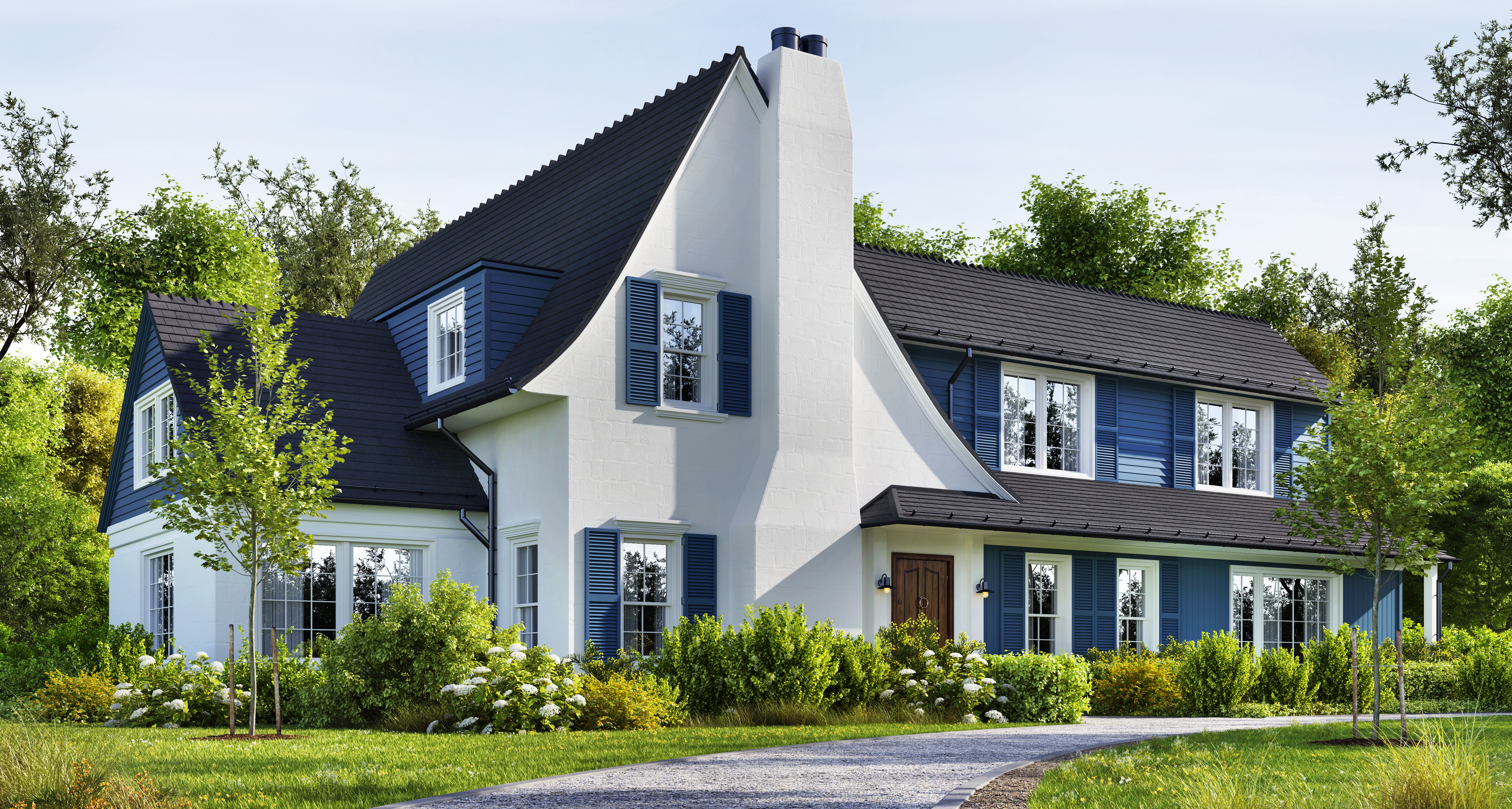
The painter you choose determines your results. With so many options for exterior residential painting near me, finding the perfect match requires research and careful questioning. Your home deserves a team that treats it with respect and skill.
Researching Local Painters
Online reviews give you real customer perspectives. Look beyond star ratings to read what clients say about punctuality, cleanliness, and how the company handled any problems that came up during projects.
Photos of past work tell a crucial story. Look for companies that showcase detailed before-and-after shots of homes similar to yours. Pay attention to trim work, which requires precision and reveals a painter’s skill level.
Local experience matters, especially in areas with unique weather challenges. A painter who understands how coastal salt air affects paint durability or how mountain sun impacts color fading will make better recommendations for your specific location.
Check credentials carefully. Verify that any company you consider carries proper licensing for your state and adequate insurance coverage. Don’t hesitate to ask for proof – reputable companies expect these questions.
Questions to Ask Potential Painters
“What preparation steps do you include?” The answer reveals much about quality. Thorough prep should include cleaning, scraping, sanding, priming where needed, and caulking gaps. Be wary of companies that gloss over these details.
“What paint brands and types do you recommend for my home?” Good painters explain options rather than insisting on one solution for every job. They should discuss pros and cons of different products for your specific situation.
“Who will be on site daily?” Some companies send salespeople for estimates but use different crews for the actual work. Ask whether a supervisor or foreman will be present throughout your project.
“How do you protect my landscaping and property?” Professional exterior residential painting involves detailed plans for covering plants, moving outdoor furniture, and preventing paint splatter on non-painted surfaces.
Evaluating Quotes and Contracts
Detailed estimates prevent surprises. Each quote should break down costs for labor, materials, preparation, and number of coats. Be suspicious of vague one-page estimates that don’t specify exactly what work will be done.
Payment schedules protect both parties. Standard practice includes a deposit (usually 25-33%), progress payments for larger jobs, and final payment upon completion. Never pay in full upfront.
Warranty terms vary widely. Some companies offer 1-2 year workmanship warranties while others guarantee their work for 5+ years. Get warranty details in writing, including what’s covered and what might void the warranty.
The contract should address potential extra costs. What happens if they find wood rot after removing old paint? How are change orders handled? Clear terms prevent misunderstandings when unexpected issues arise.
Maintaining Your New Paint Job
Your
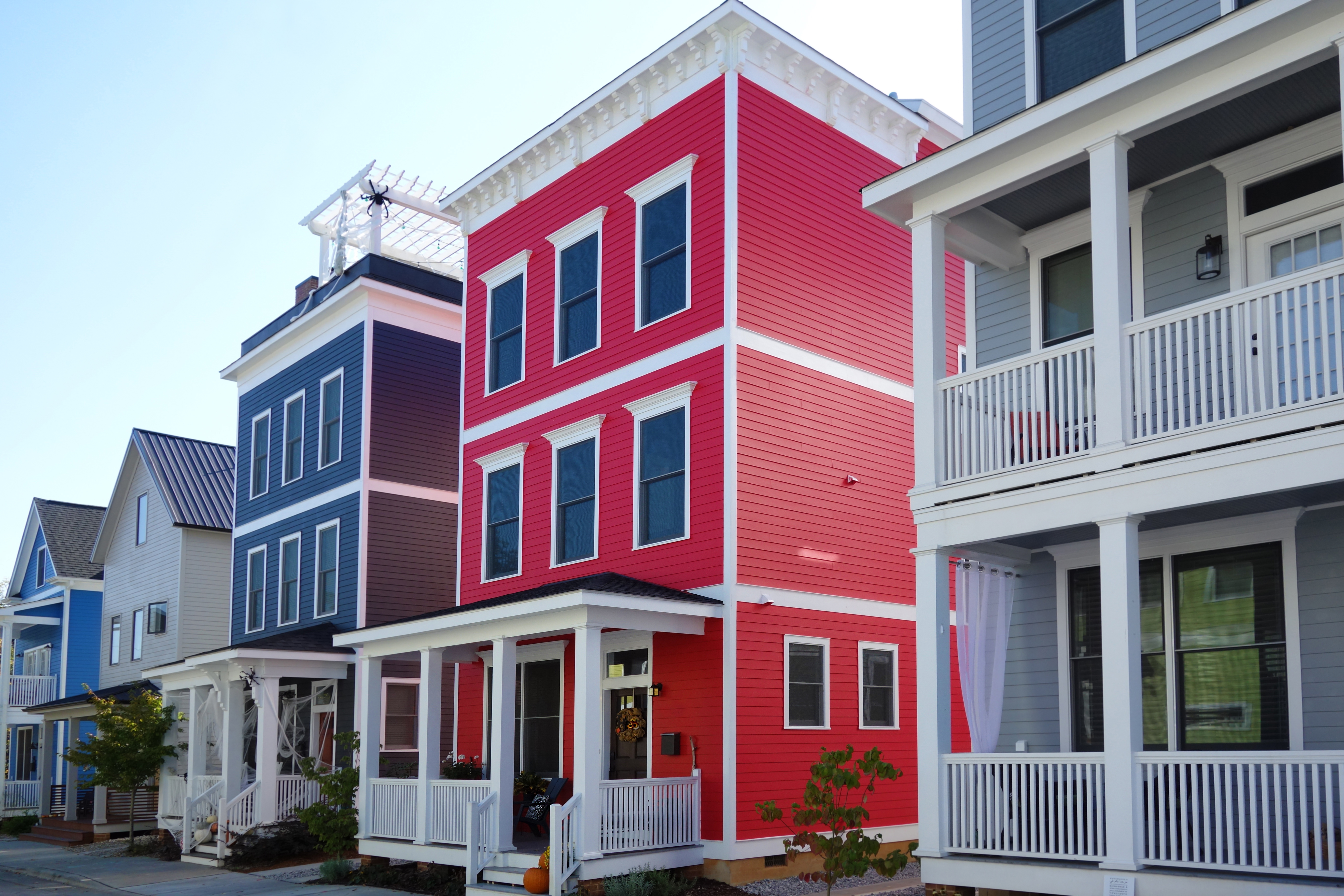
fresh paint deserves proper care. With the right maintenance routine, you can extend the life of your exterior residential painting investment by years. Simple habits make a big difference in how long your home looks freshly painted.
Regular Inspection and Cleaning
Seasonal checks catch problems early. Walk around your house each spring and fall looking for chipping, cracking, or fading paint. Pay special attention to areas that get the most weather exposure, like south and west-facing walls.
Gentle cleaning prevents dirt buildup that can damage paint over time. A yearly wash with mild soap and water removes surface grime before it becomes embedded. Avoid pressure washers for routine cleaning as they can force water under paint edges.
Check caulking around windows, doors, and trim annually. Cracked or missing caulk allows moisture to penetrate behind paint, leading to bigger problems. Fresh caulk in these areas costs little but prevents expensive damage.
Watch for mold and mildew, especially on north-facing walls or shaded areas. These can be cleaned with a solution of one part bleach to four parts water, followed by a thorough rinse. Catching mildew early prevents it from eating through your paint.
Touch-Up Tips and Tricks
Save leftover paint properly for future touch-ups. Transfer small amounts to airtight containers (mason jars work well), label them with the color name, brand, sheen, and location used, and store in a temperature-controlled area.
For small chips and scratches, clean the area first with mild soap and water. Let it dry completely, then apply paint with a small brush, feathering the edges to blend with the surrounding area. Two thin coats work better than one thick coat.
Color matching becomes tricky as paint ages and fades. For touch-ups on older paint jobs, you might need to blend beyond the damaged area or paint to a natural break point like a corner or trim piece.
Keep a record of your paint colors. Most paint stores can look up your previous purchases if you’ve lost your color information. Some homeowners create a “paint diary” with samples of each color used and notes about which areas they cover.
Long-Term Protection Strategies
Trees and shrubs near your house need regular trimming. Branches rubbing against siding damage paint, while overgrown vegetation holds moisture against walls. Maintain at least 12 inches of clearance between plants and your home’s exterior.
Gutter maintenance protects your paint job. Clogged gutters overflow, sending water down your walls. This constant moisture exposure is a common cause of paint failure. Clean gutters twice yearly to prevent this issue.
Address water drainage issues around your foundation. Soil should slope away from your house, carrying rainwater with it. Poor drainage leads to splashback that stains and damages paint along your foundation line.
Consider applying a clear protective coat to high-wear areas like entries, handrails, and around door handles. These invisible shields add an extra layer of protection where people touch your home most often.